Trek Overview
The Everest Base Camp trek is one of the world's most iconic journeys — a 14-day adventure that takes you deep into the heart of the Khumbu Himalaya to stand at 5,364 metres at the foot of the world's highest mountain. The trail passes through the legendary Namche Bazaar, the gateway to Everest, weaves past ancient Sherpa villages and gompas, and crosses dramatic suspension bridges strung with colourful prayer flags over glacial rivers.
More than a physical challenge, this trek is a cultural immersion into the Sherpa way of life. You'll be hosted in family-run teahouses, share meals of dal bhat with local porters, and witness Buddhist ceremonies at monasteries that have stood for centuries. Our experienced Sherpa guides have completed this route dozens of times and will ensure your safety and acclimatisation throughout.
Trek Highlights
- Stand at Everest Base Camp (5,364m) and view the Khumbu Icefall up close
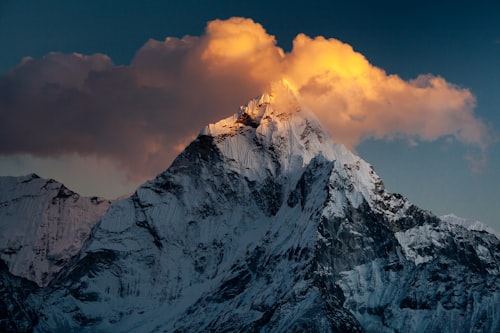
- Sunrise panorama over Everest, Lhotse, Nuptse and Ama Dablam from Kala Patthar (5,545m)
- Explore Namche Bazaar, the vibrant Sherpa capital at 3,440m
- Visit Tengboche Monastery — the most famous Buddhist monastery in the Khumbu
- Acclimatisation hike to Chhukhung and Dingboche for spectacular 360° mountain views
Day-by-Day Itinerary
What's Included
✓ Included
- Licensed, English-speaking Sherpa guide
- Airport and hotel transfers in Kathmandu
- Kathmandu–Lukla–Kathmandu flights
- Teahouse accommodation throughout
- 3 meals per day (breakfast, lunch, dinner)
- Sagarmatha National Park permit
- TIMS (Trekkers' Information Management) card
- Porter (1 porter per 2 trekkers)
- First aid kit and oxygen emergency kit
- Welcome and farewell dinners
- Government taxes and service charges
✗ Not Included
- International flights to/from Kathmandu
- Nepal visa fee ($30–$100 depending on duration)
- Travel insurance (mandatory — must include helicopter evacuation)
- Personal trekking gear and equipment
- Hot showers, WiFi and battery charging on trail
- Alcoholic beverages and soft drinks
- Tips for guides and porters (customary)
- Personal expenses and shopping
- Extra accommodation costs due to flight delays
Best Season
Spring (March–May) and Autumn (September–November) are the prime trekking seasons for Everest Base Camp.
Difficulty & Fitness
The Everest Base Camp trek is rated Hard. You do not need mountaineering experience but you must have good cardiovascular fitness. We recommend 2–3 months of preparation including regular hiking (8–10 km with elevation gain), cycling, or running.
The biggest challenge is altitude, not terrain. Proper acclimatisation is built into the itinerary with two dedicated rest days. No technical climbing is involved. The trail is well-established and teahouses are available throughout.
Trek Map
Photo Gallery
Trekker Reviews
"The EBC trek with Himariva was the greatest experience of my life. Guide Pemba was exceptional — he knew every stone on the trail, kept us safe with perfect acclimatisation pacing, and shared fascinating stories about Sherpa culture. Every teahouse was clean and the food was surprisingly good. Highly recommend!"
"I was nervous about the altitude but the team managed every aspect beautifully. The two acclimatisation days made a huge difference. Seeing Everest at sunrise from Kala Patthar brought tears to my eyes — absolutely worth every step of the journey. The organisation from Kathmandu to Lukla was flawless."
"We did this as a couple and it was the ultimate adventure holiday. The small group of 8 people felt like a proper team by the end. Our guide Dawa was warm, knowledgeable and incredibly experienced. The whole trip was perfectly paced — never rushed, always safe. We're already talking about Annapurna Circuit next year!"